Exceedingly rare 1869 model of Tobold's Laryngoscope. Sold!
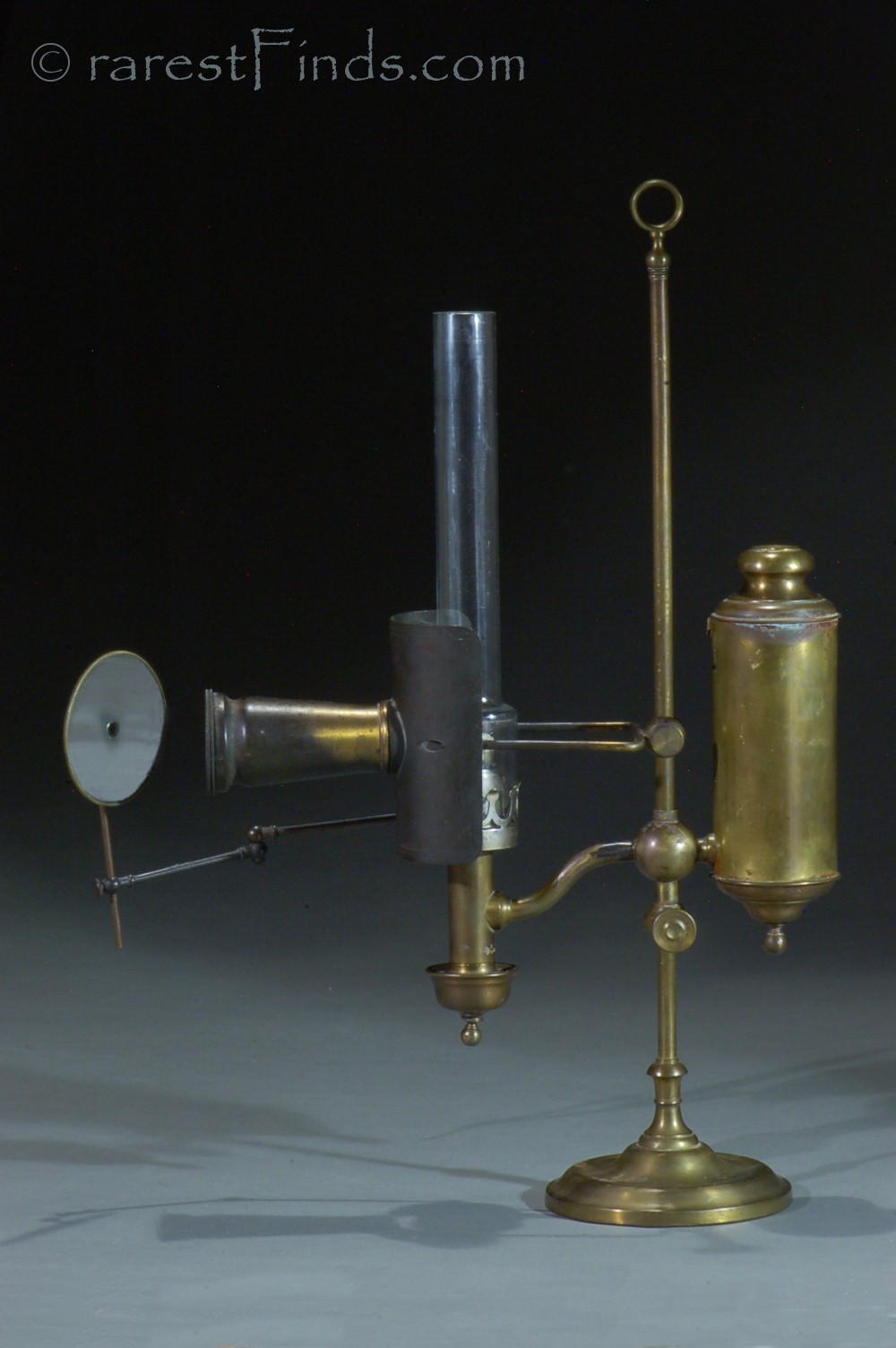
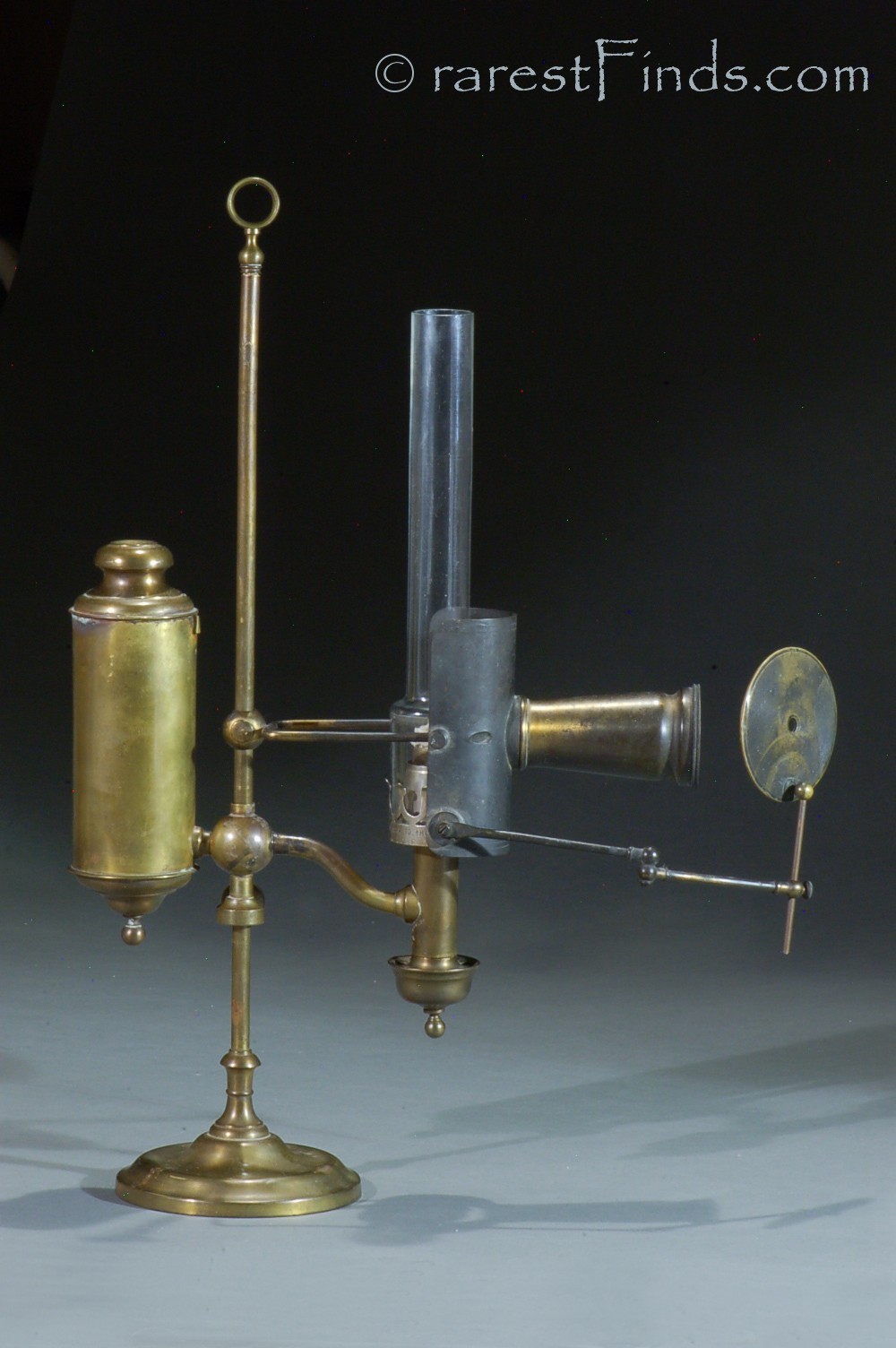
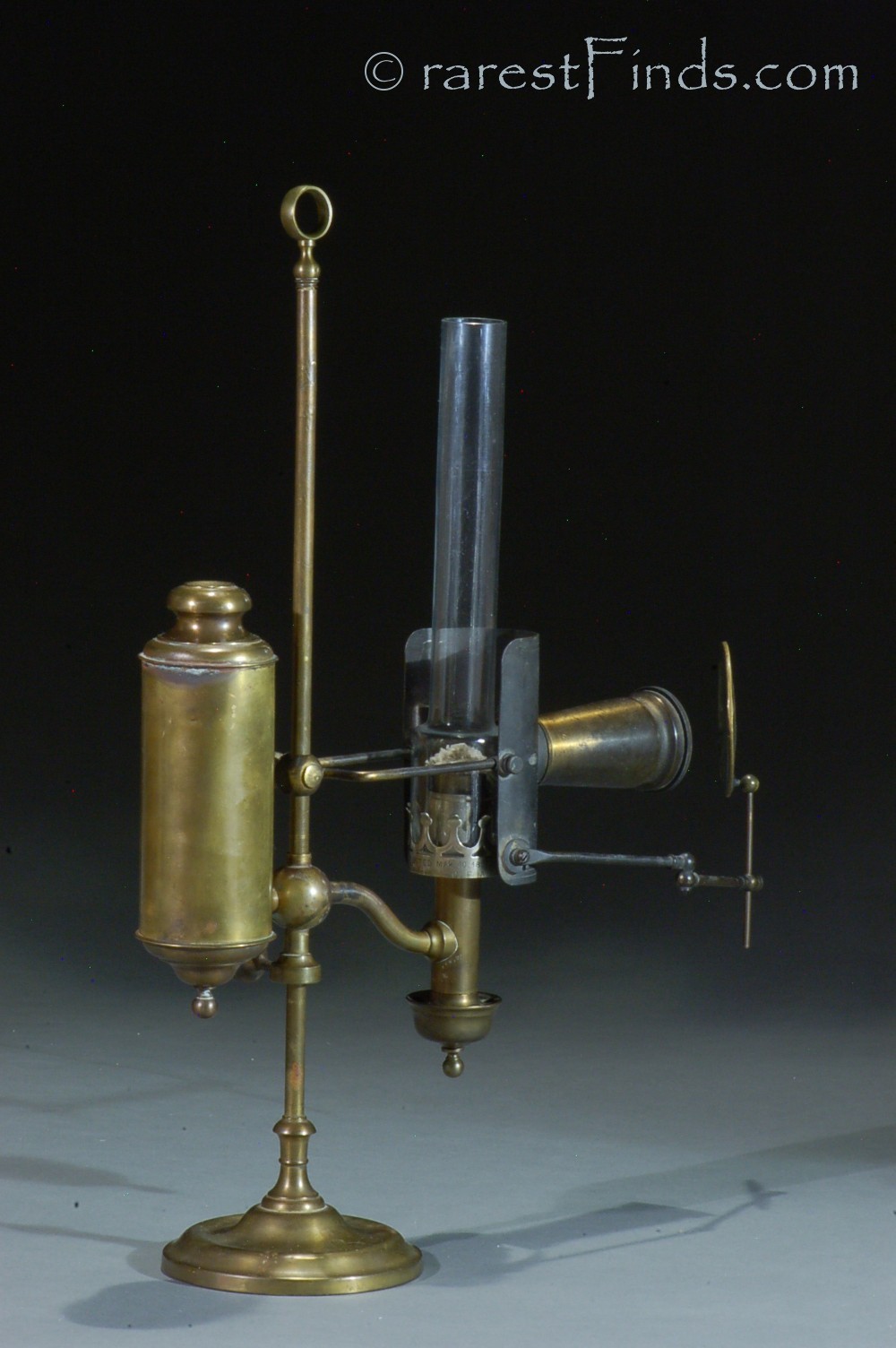
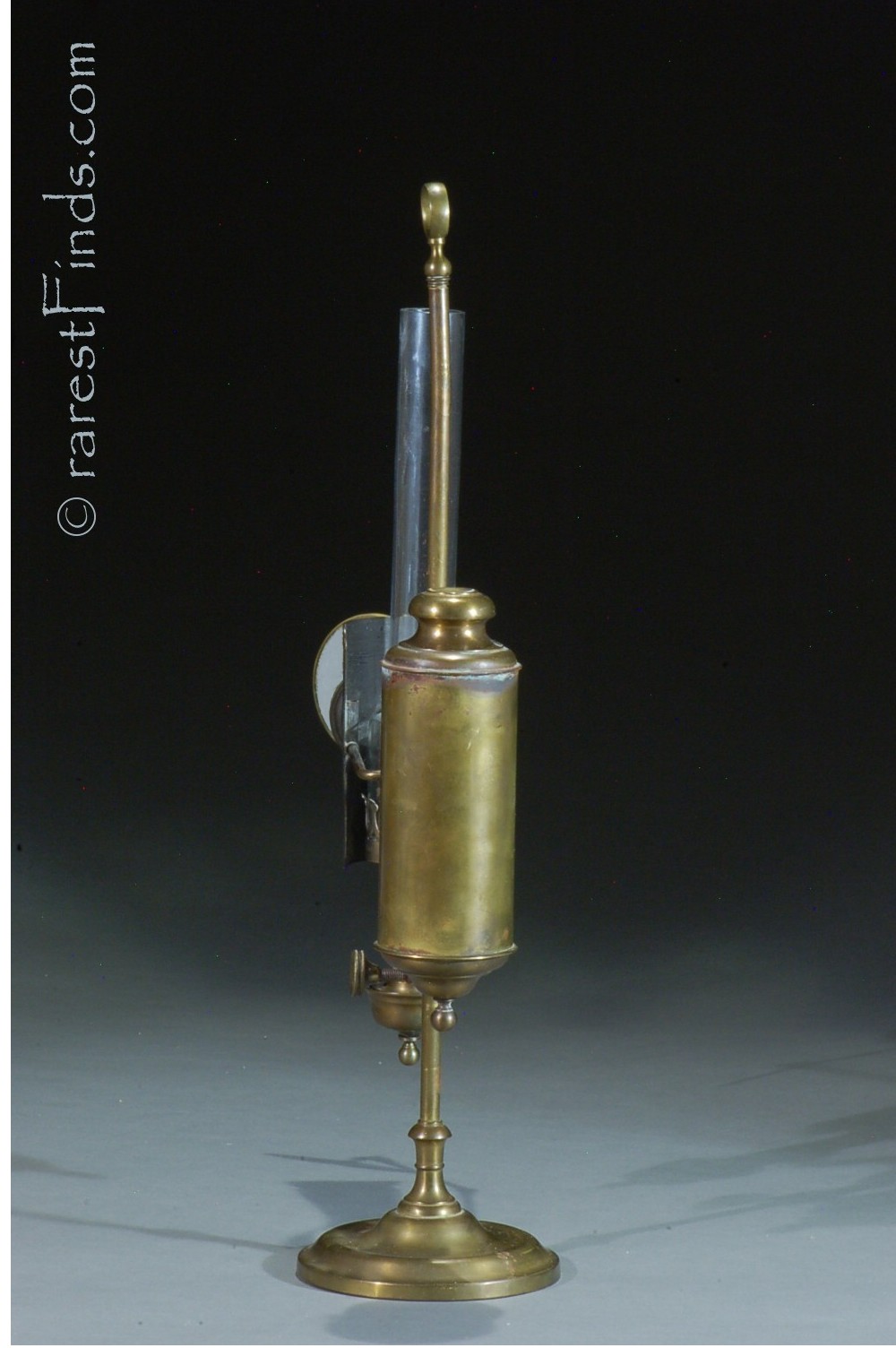
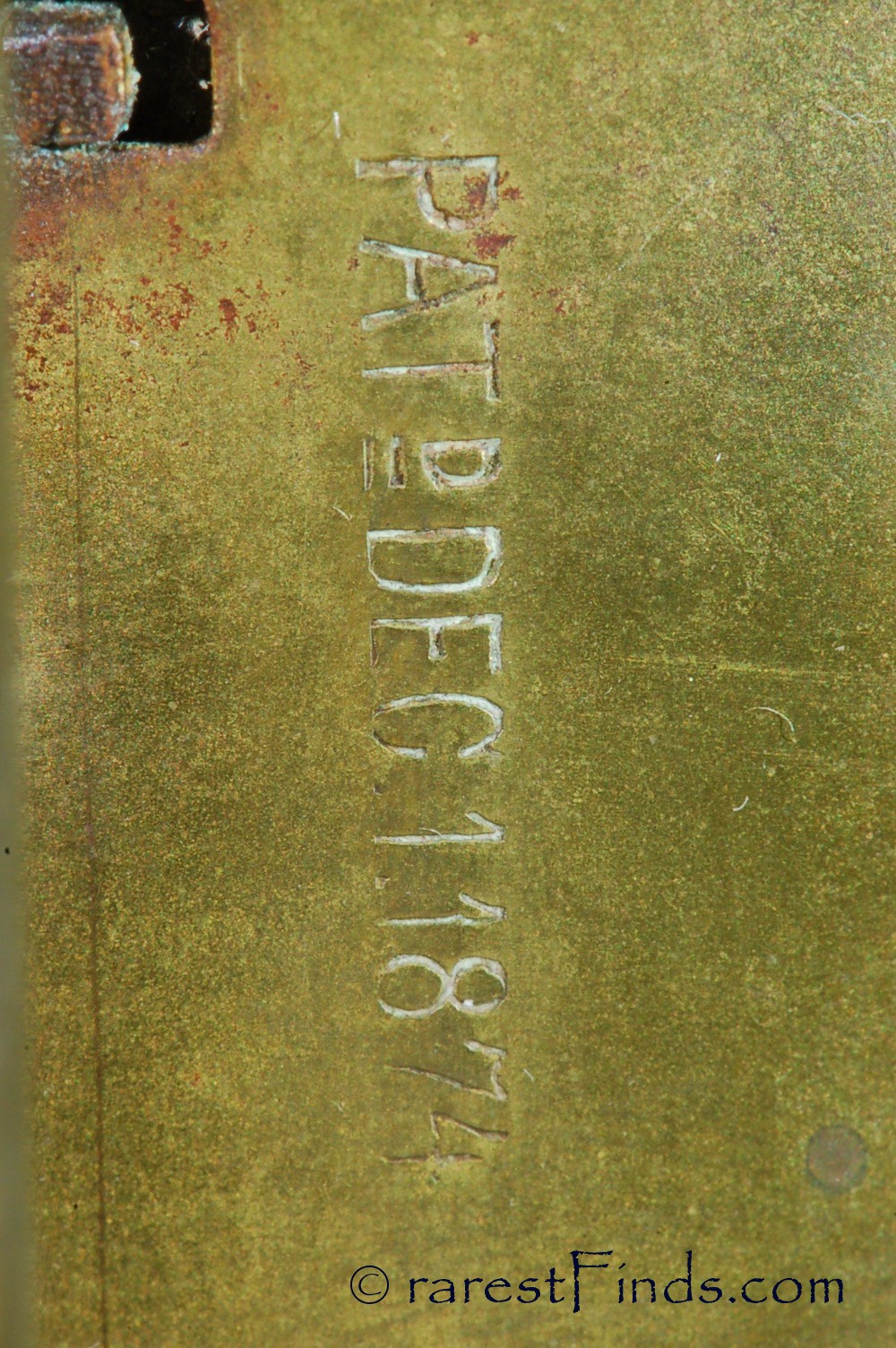
Patents, click on any image to see larger image!
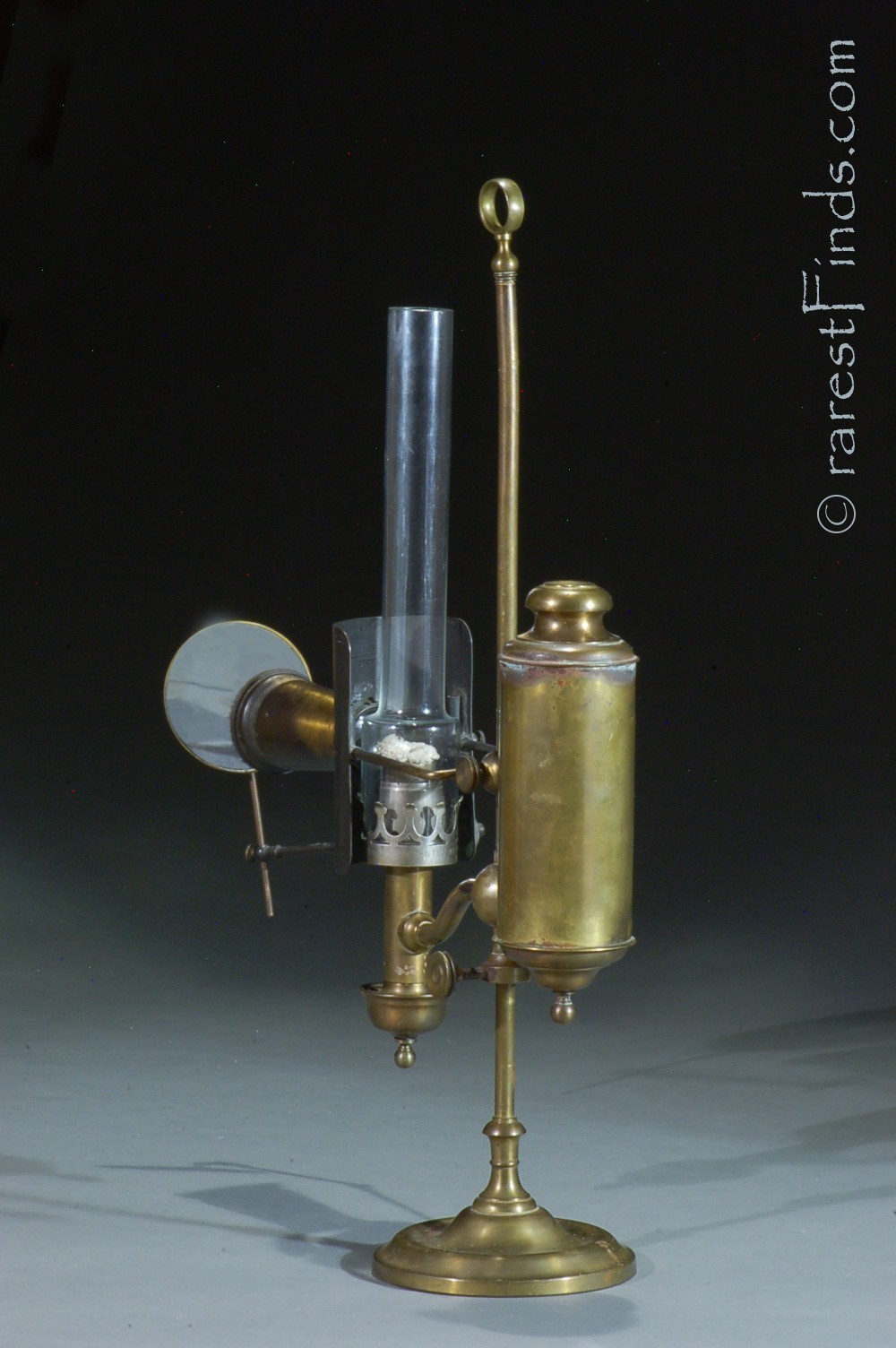
The exceedingly rare medical instrument offered here is an early device for indirect laryngoscopy used to examine the larynx (voice box). The Tobold laryngoscope, also referred to as "Tobold Lamp" in the literature, was invented in 1862 by the German physician Dr. Adelbert von Tobold. Tobold described and pictured his laryngoscope or lamp in his book, LEHRBUCH DER LARYNGOSKOPIE UND DES LOCAL-THERAPEUTISCHEN VERFAHRENS BEI KEHLKOPFKRANKHEITEN, BERLIN, 1863, [1], (textbook of Laryngoscopy.)
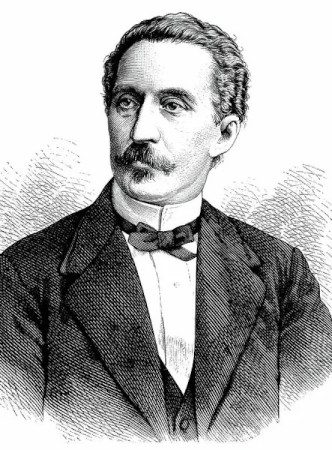
Dr. Adelbert von Tobold (1827-1907) was a prominent specialist in laryngeal diseases at the University of Berlin and an early pioneer in the field of laryngology. Tobold has been described as, "the first physician to directly visualize the larynx."
After the 1862 model of his laryngoscope which he introduced in his book [1] and pictured on page 6, he introduced a second laryngoscope, a smaller model in 1869; the instrument offered here is the smaller, later model.
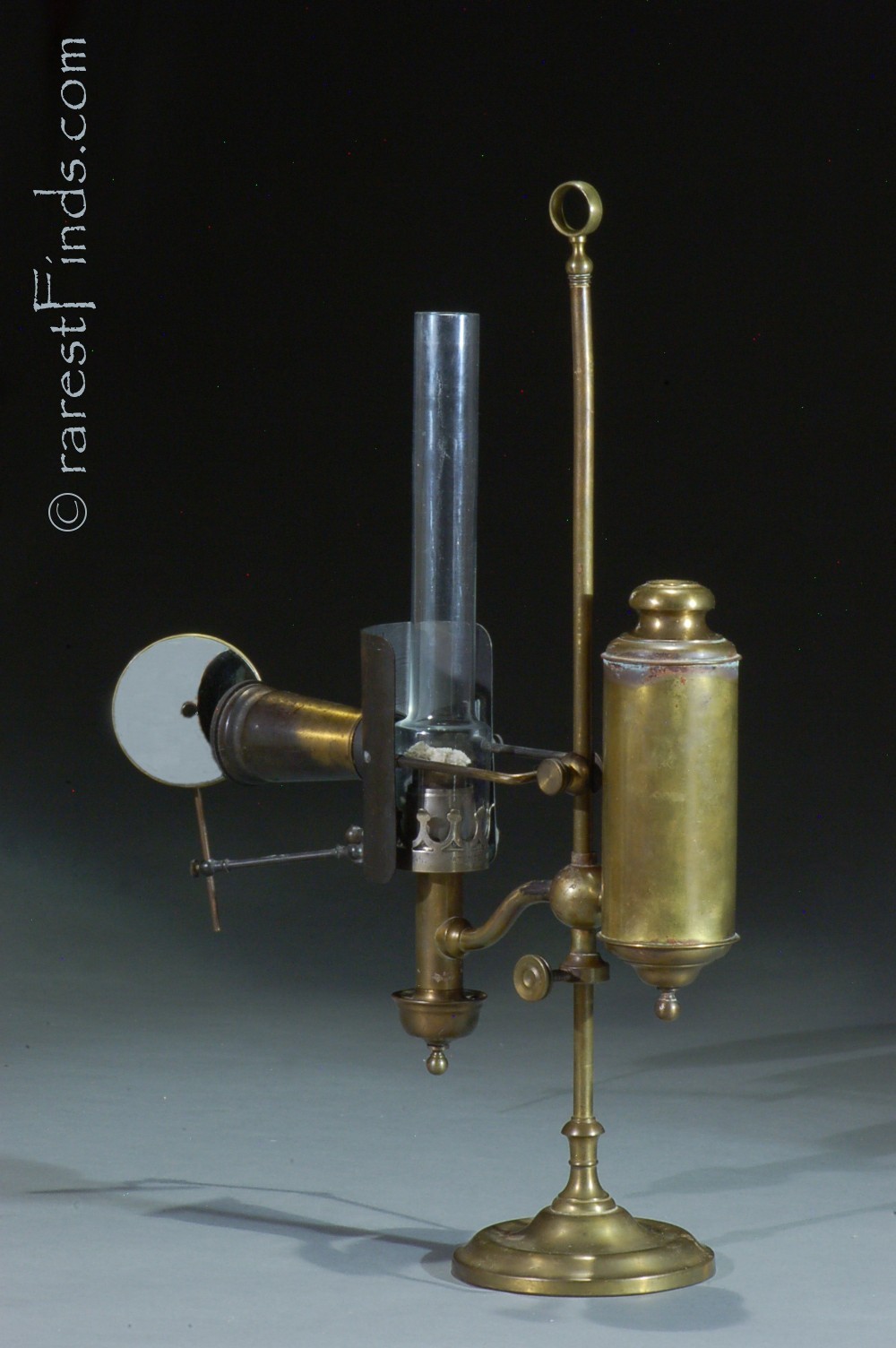
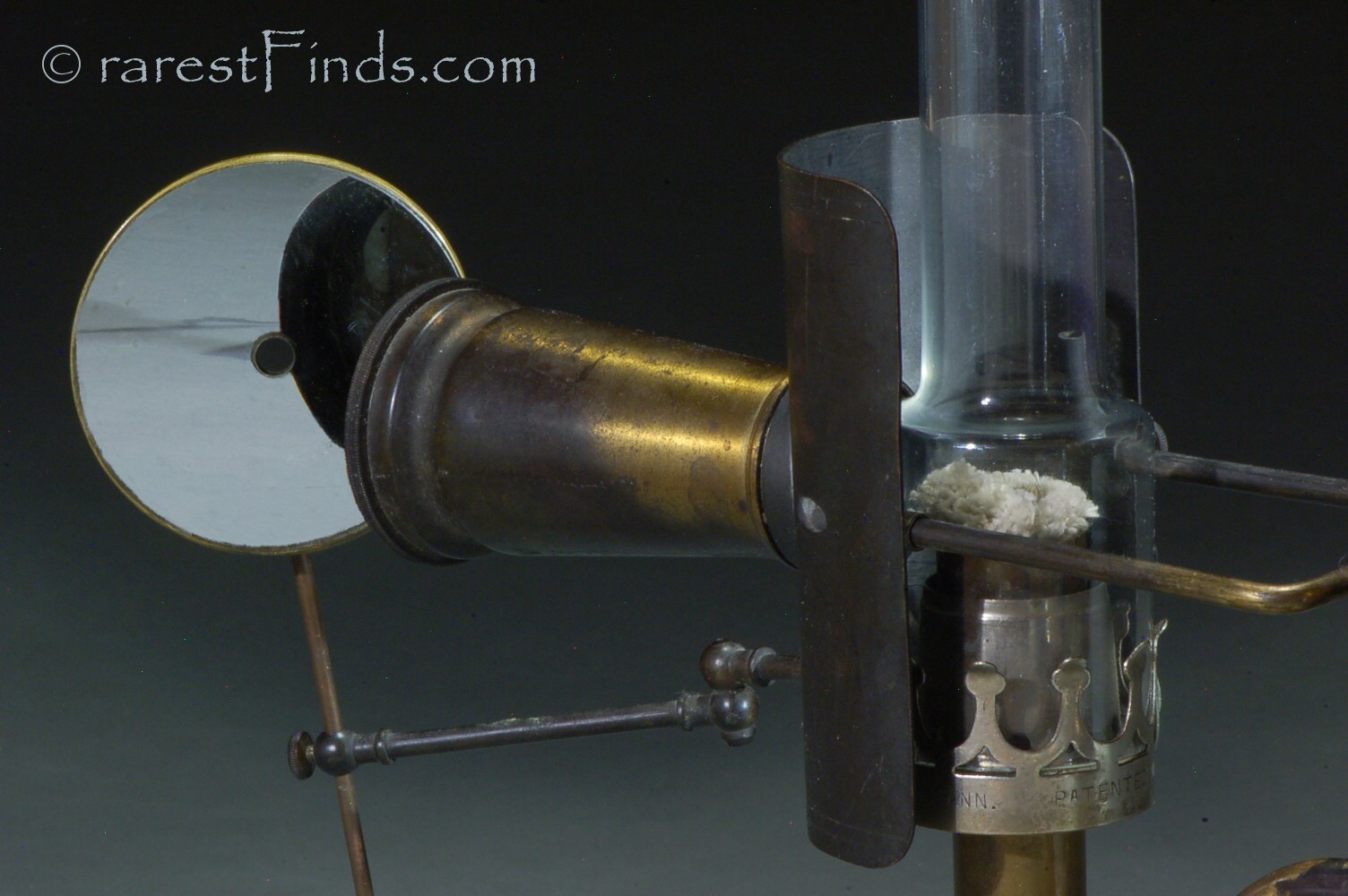
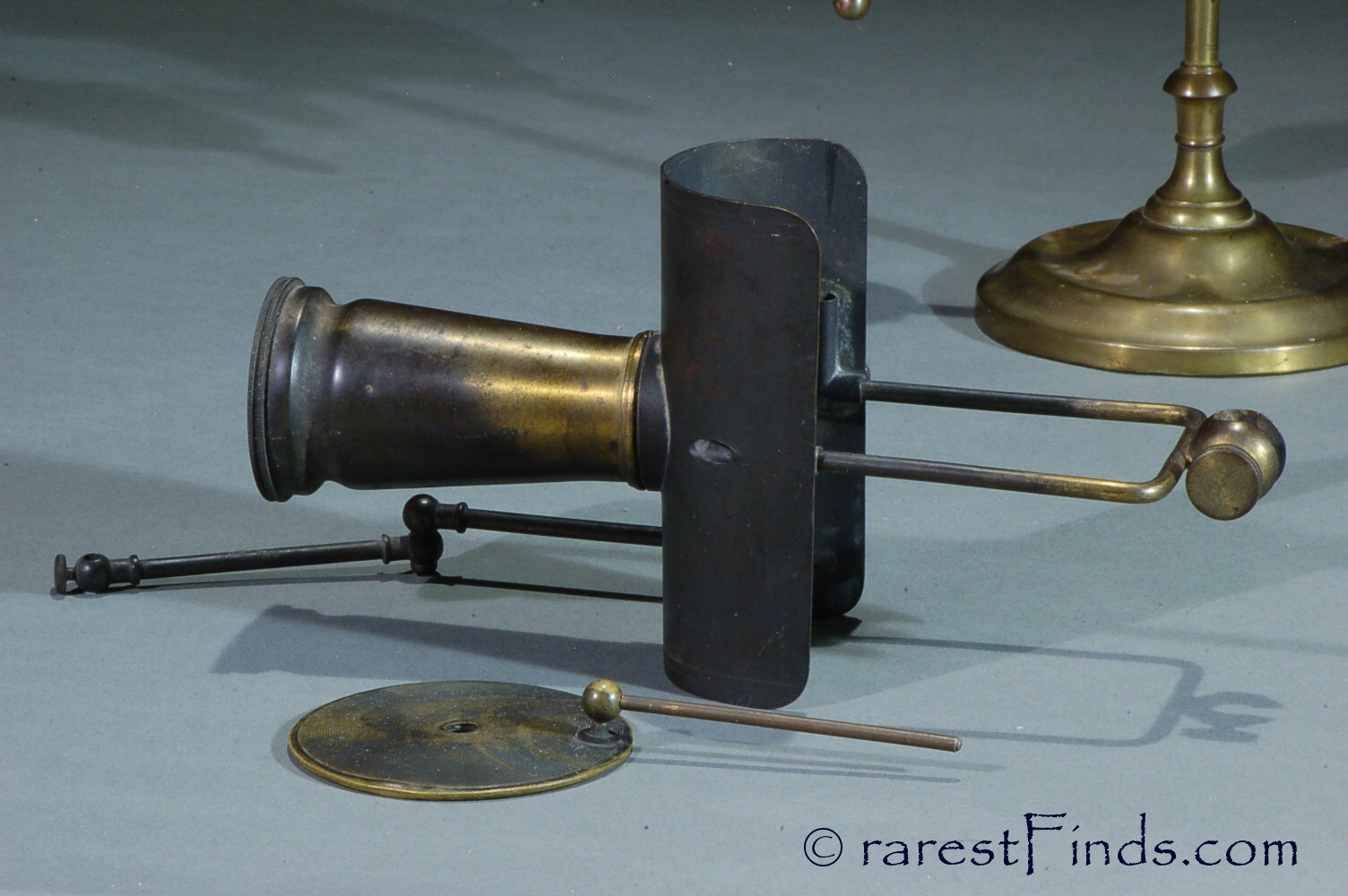
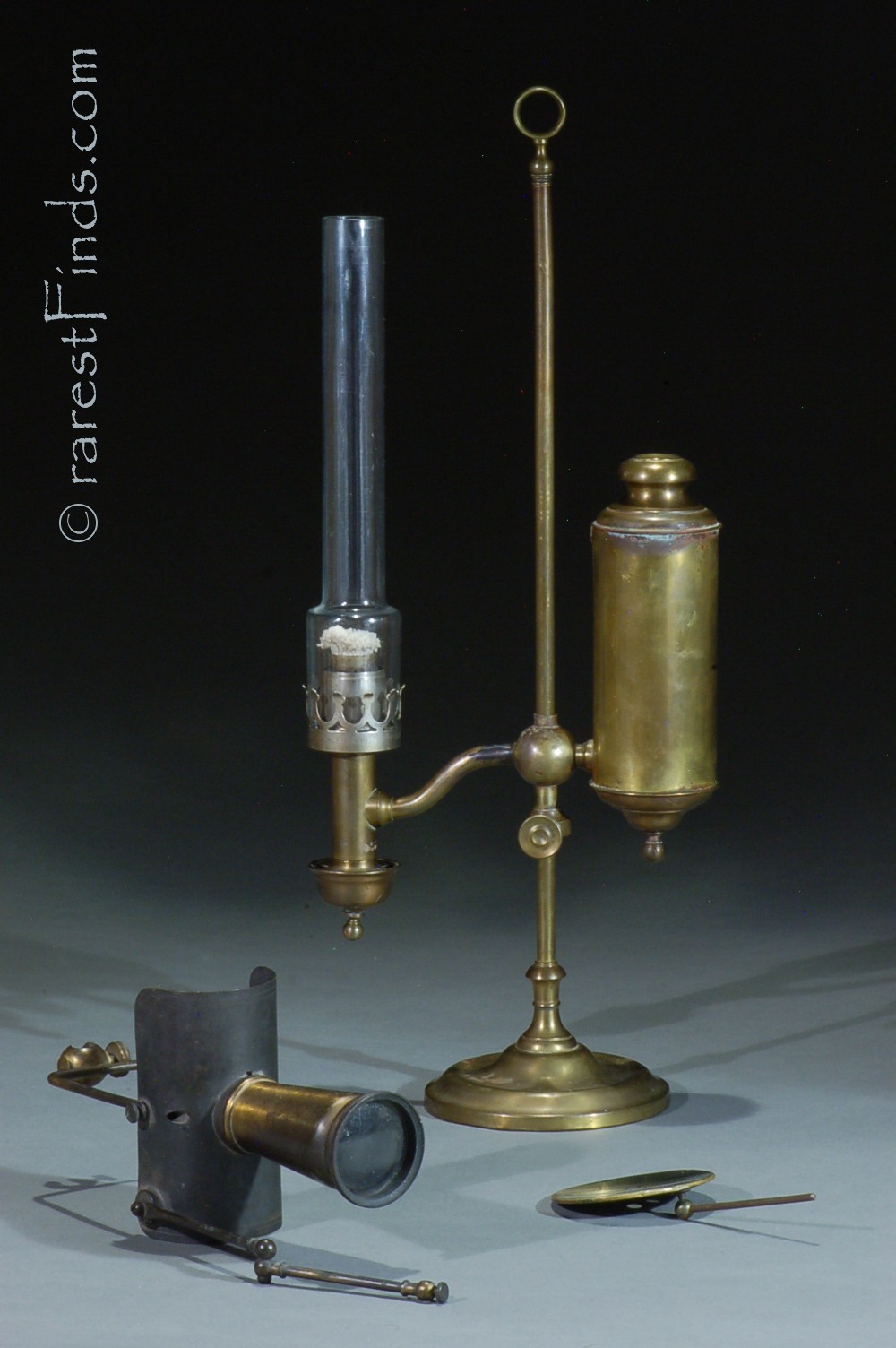
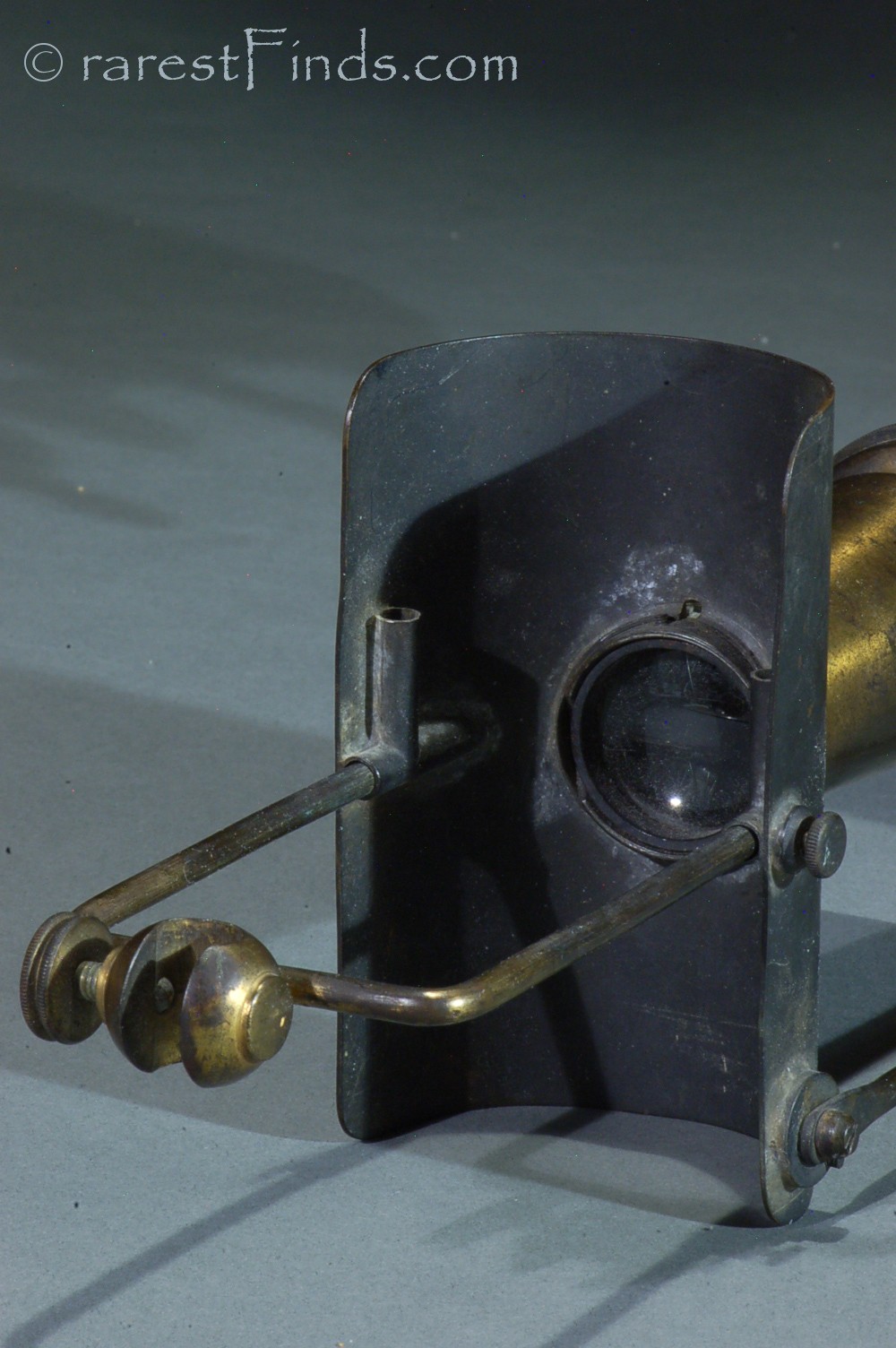
The device consists of a metallic hood to shield the light from the physician. To this metallic hood is a brass tube attached containing an optical condenser with three lenses to focus the light.
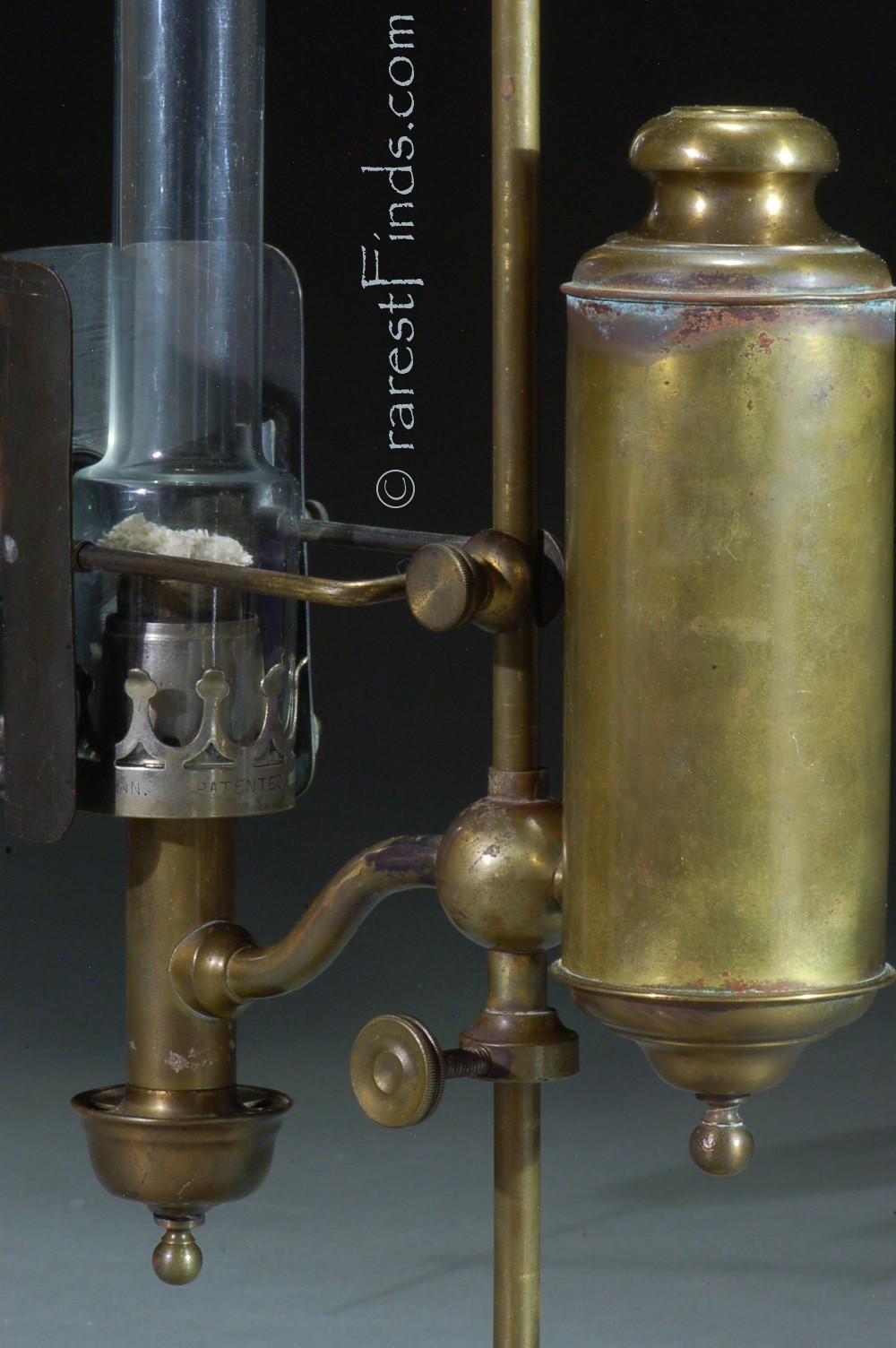
The device attaches to the lamp with a "U" shaped bracket, see pictures 9 and 11. This bracket could be mounted horizontal or vertical to the metallic hood so the device could be mounted on different lamps and burners in different ways.
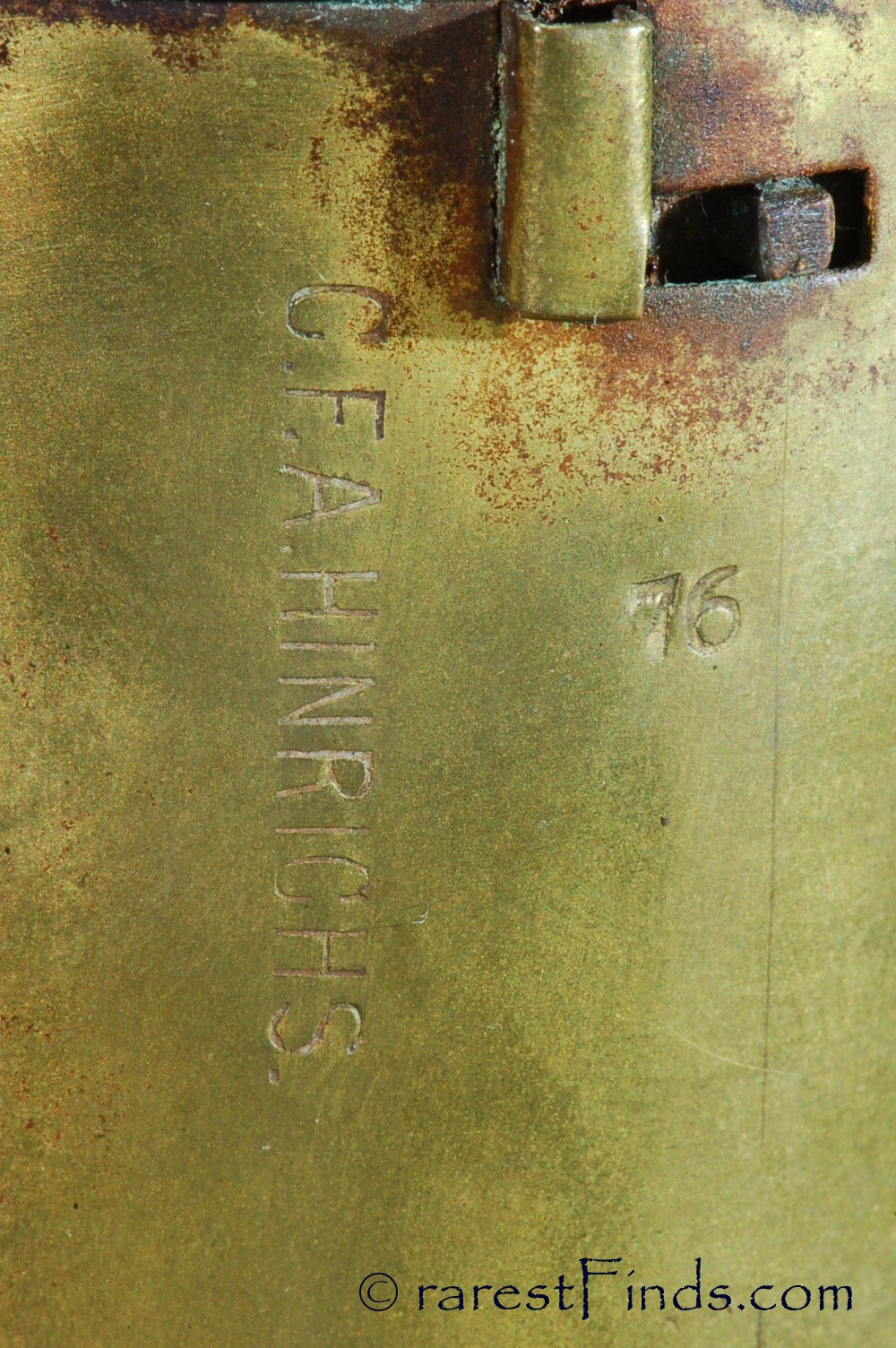
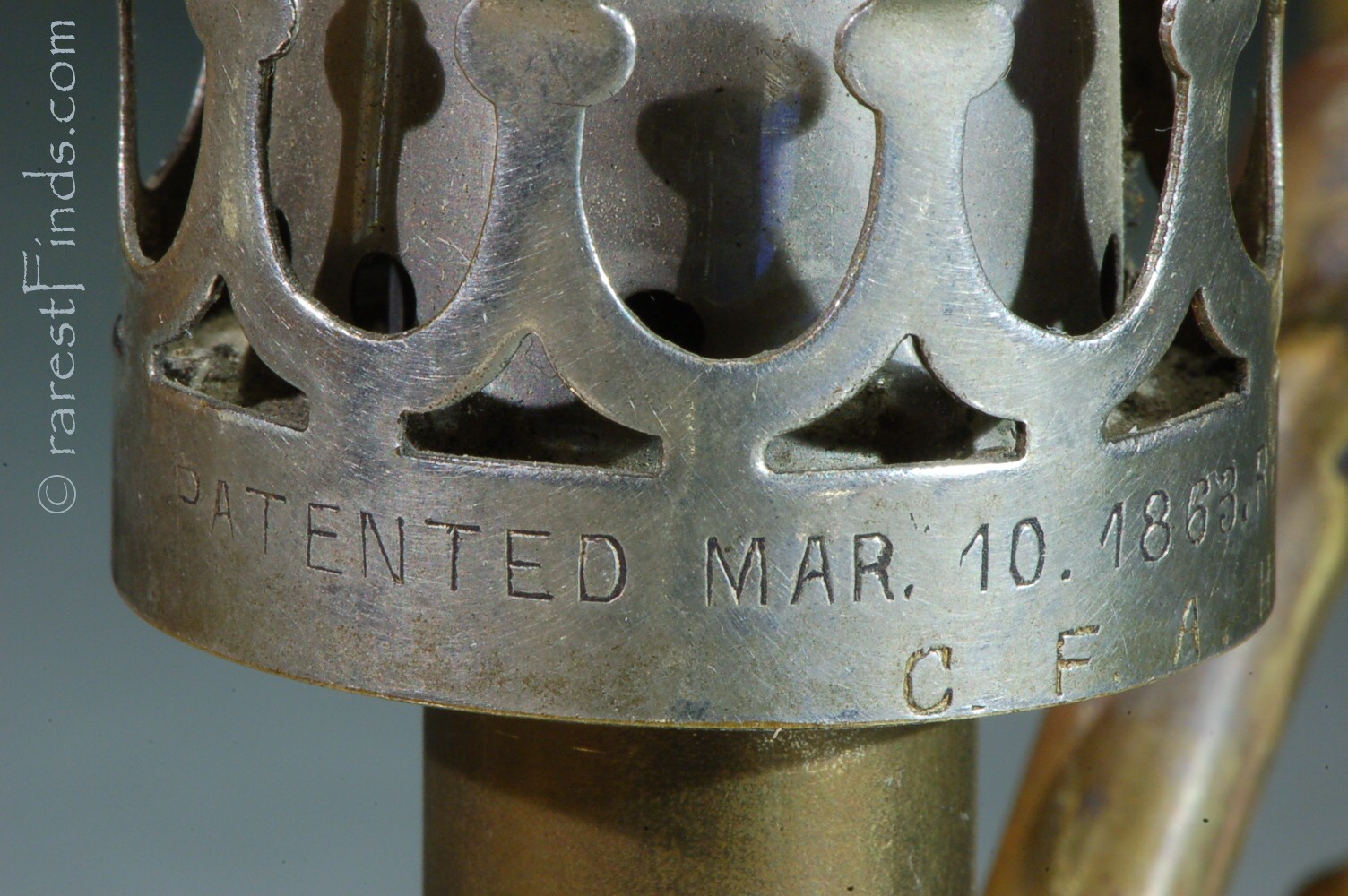
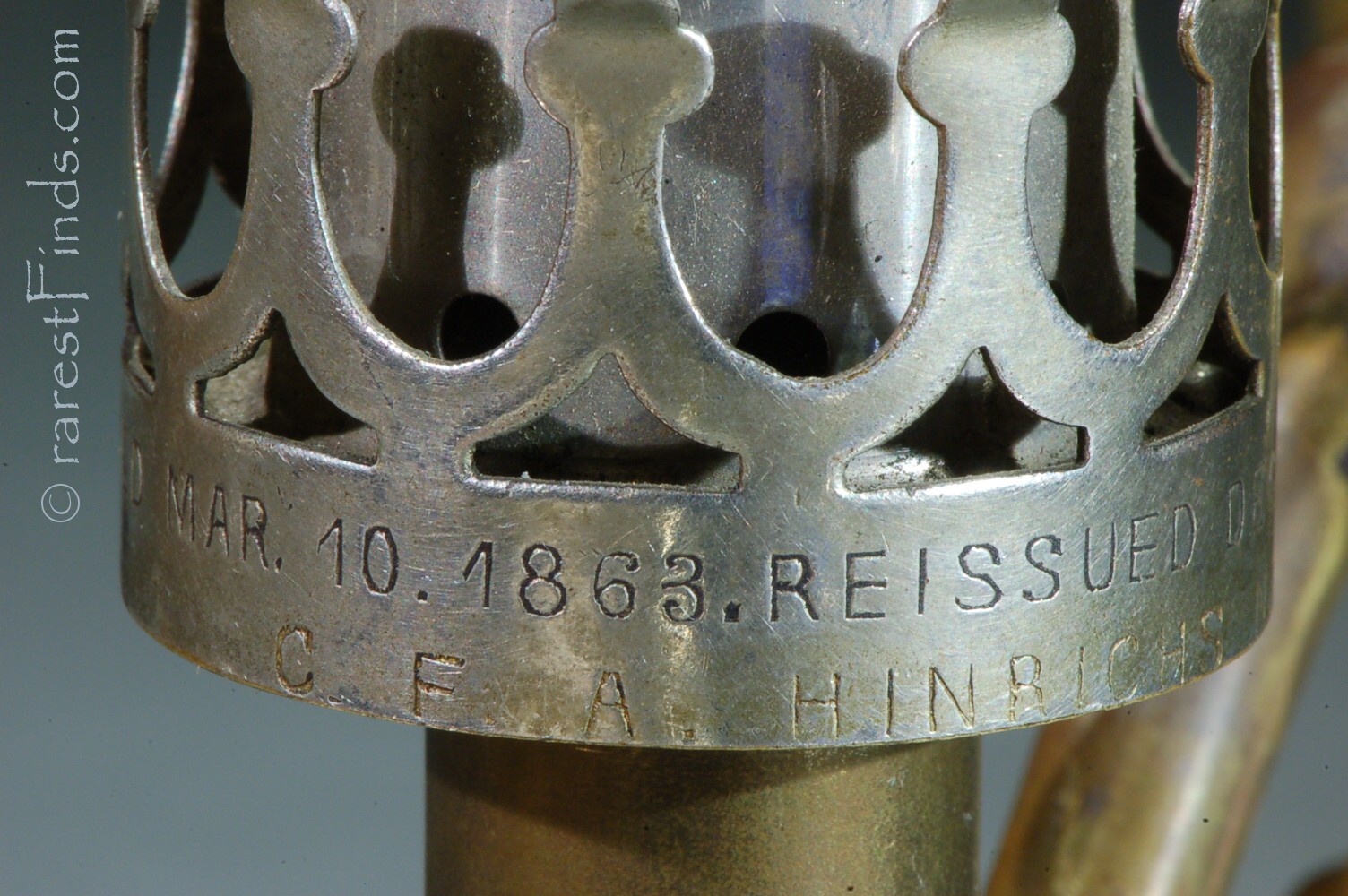
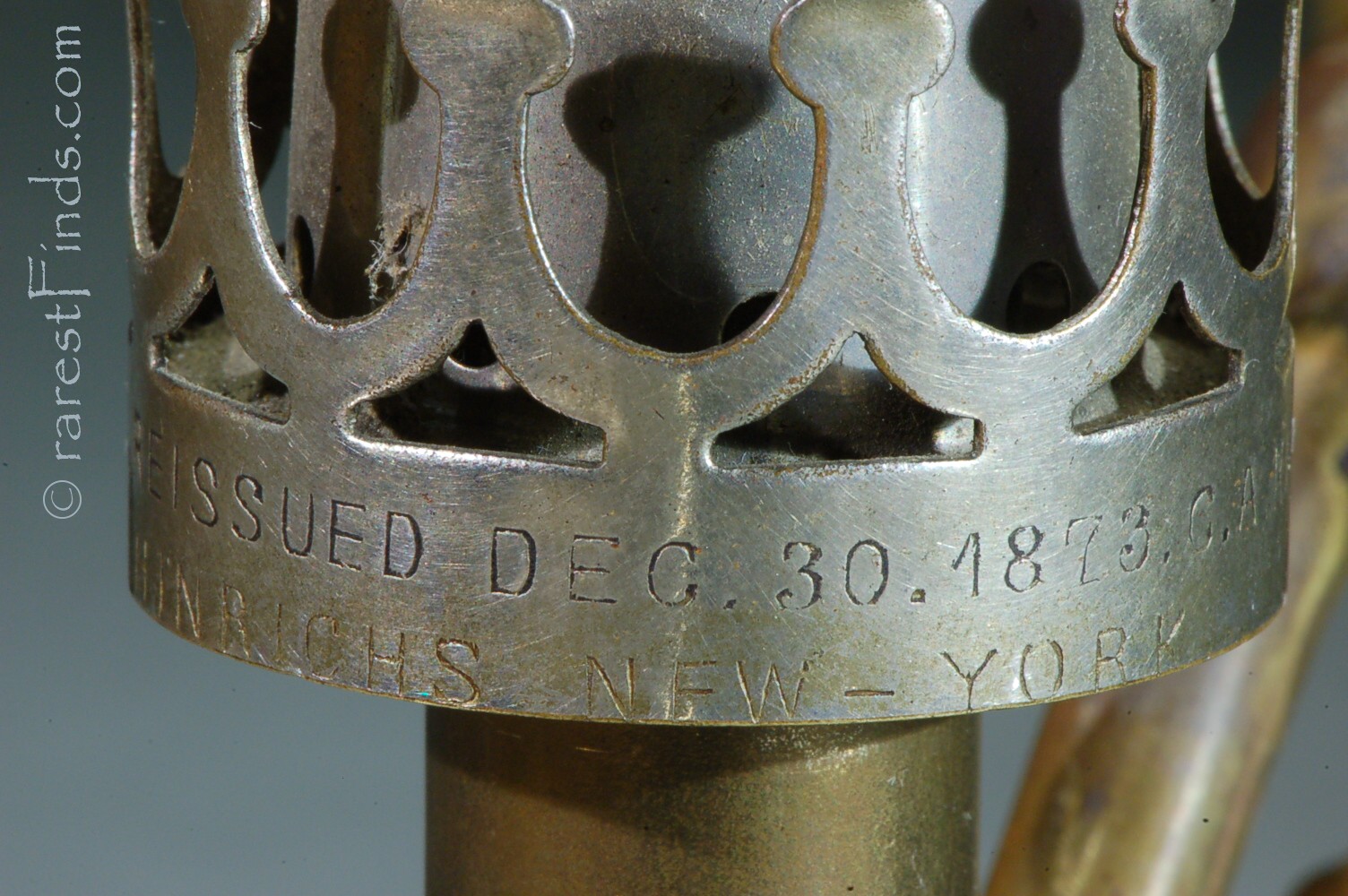
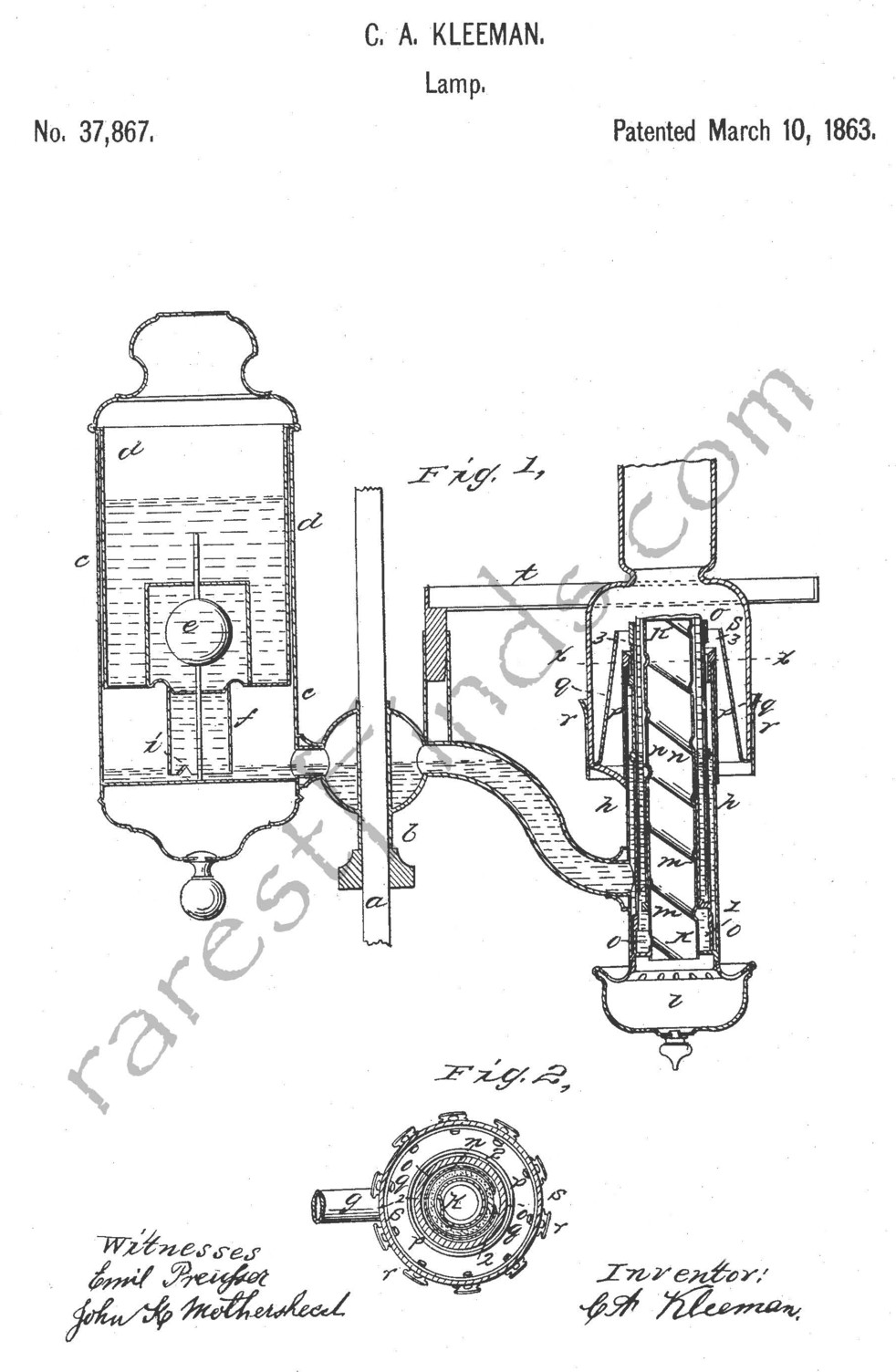
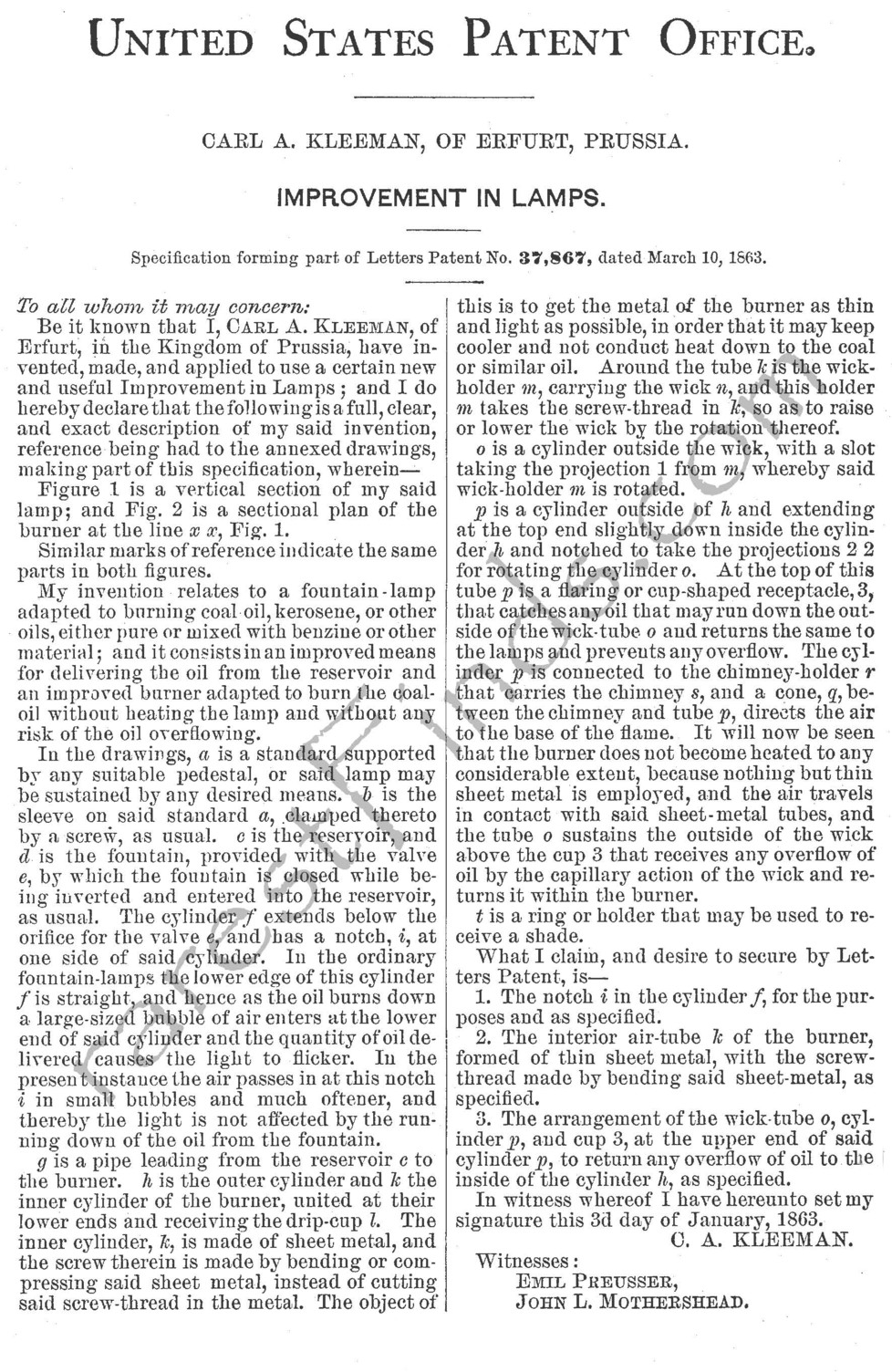
The student lamp with Argand burner used here was manufactured by German immigrant Charles Frederick Albrecht Hinrichs, New York, based on Carl A. Kleeman's patent issued on March 10th, 1863 with the number 37,867 (more on the Argand burner under the heading "History.")
The device has an articulated arm with two sections attached to the metallic hood with a reflector or mirror at its far end, allowing the physician to position the focused light horizontally for an optimal view.
The larynx was viewed indirectly with a small hand-held mirror at he end of a curved handle (not shown in any of the pictures). To view the larynx in the small mirror, the physician would look through the small hole in the center of the reflector or mirror at the end of the articulated arm. This reflector or mirror with the small hole is reflecting the focused light into the mouth of the patient.
The light from the Tobold Lamp or Tobold laryngoscope was first reflected by the reflector/mirror with the small hole at the end attached to the articulated arm, and then again by the small mirror at the end of the hand-held little mirror the physician positioned at the back of the patient's throat. This allowed the physician to indirectly view the vocal cords and larynx, illuminated by the focused light of Tobold's laryngoscope. Of course, the small mirror, the physician would hold in his hand, as already mentioned, is not shown in the pictures above. This hand-held mirror was not part of the laryngoscope.
Tobold's contributions extended beyond the laryngoscope itself; he also developed one of the first simulators, using a plaster-of-Paris model of the voice box attached to a skull, for students to practice the different procedures with his laryngoscope. He also designed a specialized steel and glass syringe used to spray anesthetics or medications directly into the larynx. This tool remained a standard medical instrument into the early 20th century.
Tobold's 1862 laryncoscopes were sold in the US by, G. Tiemann & Co., Manufacturers of Surgical Instruments, 67 Chatham St, NY.
Condition:
This Tobold laryngoscope, attached to the Hinrich's student lamp with an Argand burner, is in good condition with little dents here and there, but nothing major.
The cover to the fuel reservoir is stuck and no attempt has been made to free it, as this Tobold laryngoscope will most likely just be used as an exhibit by the buyer.
The entire laryngoscope shows age appropriate patina and oxidation.
The mirror has some spots where the coating is bad from age.
As far as I can see, there is nothing missing and no repairs have been made to this apparatus. The overall height is 19¾ inches.
History:
While dentists have relative easy access to the teeth they treat, Otolaryngologist's work presents obstacles as the nasopharynx, ora-pharynx, hypo-pharynx and especially the larynx are increasingly difficult to access as they are increasingly deeper down the human throat.
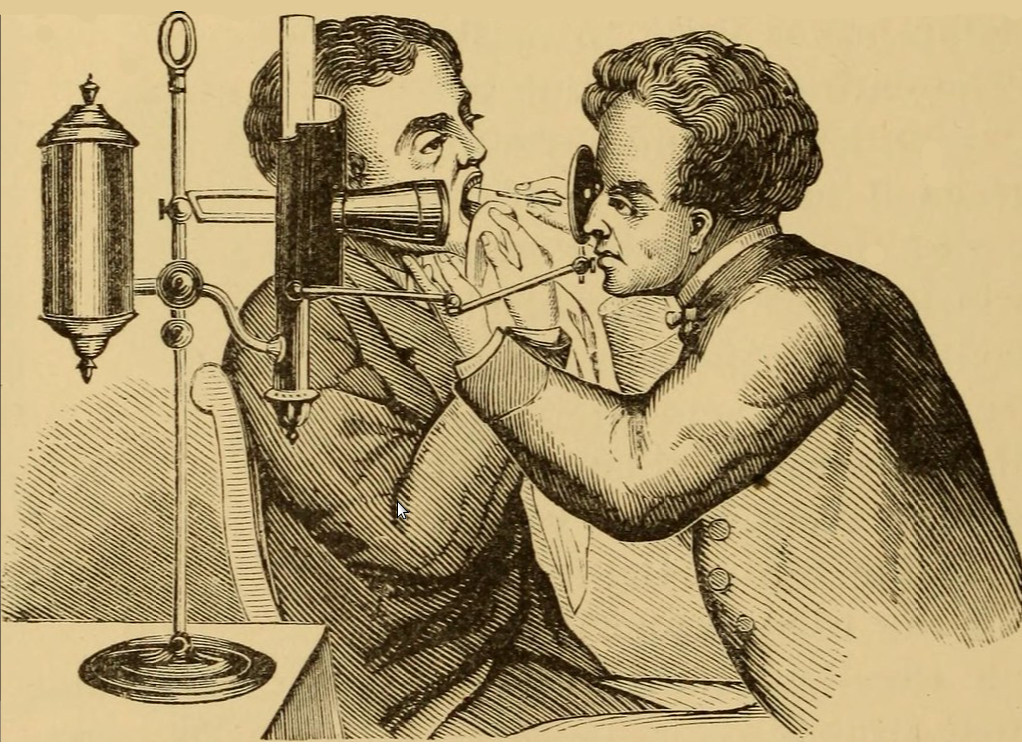
Especially laryngologists struggled in the early days to see anything while trying to do their examinations and treatments. There were simply no strong enough artificial light sources available, just the sun-light.
The history of indirect laryngology is complex; the vocal pedagogist Manuel Garcia (1805-1906) is credited with having done it first. In 1854, he became the first man to view the functioning glottis and larynx in a living human, or at least, he was the first to document it. Garcia developed a tool that used two mirrors for which the sun served as an external light source. Using this device, he was able to observe the function of his own glottic apparatus and the uppermost portion of his trachea. He presented his findings at the Royal Society of London in 1855.
Anecdotal evidence provides that Ludwig Türck, professor of laryngology in Vienna, decided to try Garcia's mirror in examining patients in the wards of the Allgmeine Krankenhaus in 1857. He was unsuccessful, and by the fall of that year he abandoned his efforts. Johann Czermak, professor of physiology at the University of Pest, Hungary, borrowed Türck's mirrors and continued experimentation over the winter of 1857-1858 with artificial light. He was able to accomplish what Türck couldn't, and by the early spring of 1858 he presented his findings to the Viennese medical community, claiming to be the first physician to visualize the living larynx. It is believed that Türck failed because the summer and early fall of 1857 was marked by inclement weather, hence, there was not enough natural light.
Before Edison's invention of the incandescent light bulb, the predominant problem was clearly the lack of light.
The Argand burner:
The Argand lamp or burner is a revolutionary oil lamp invented in 1780 by Swiss chemist François-Pierre-Aimé Argand.
It represented the first significant improvement in lighting technology in thousands of years, producing a flame up to 10 times brighter than contemporary candles or standard oil lamps, while emitting much less smoke and being much more efficient.
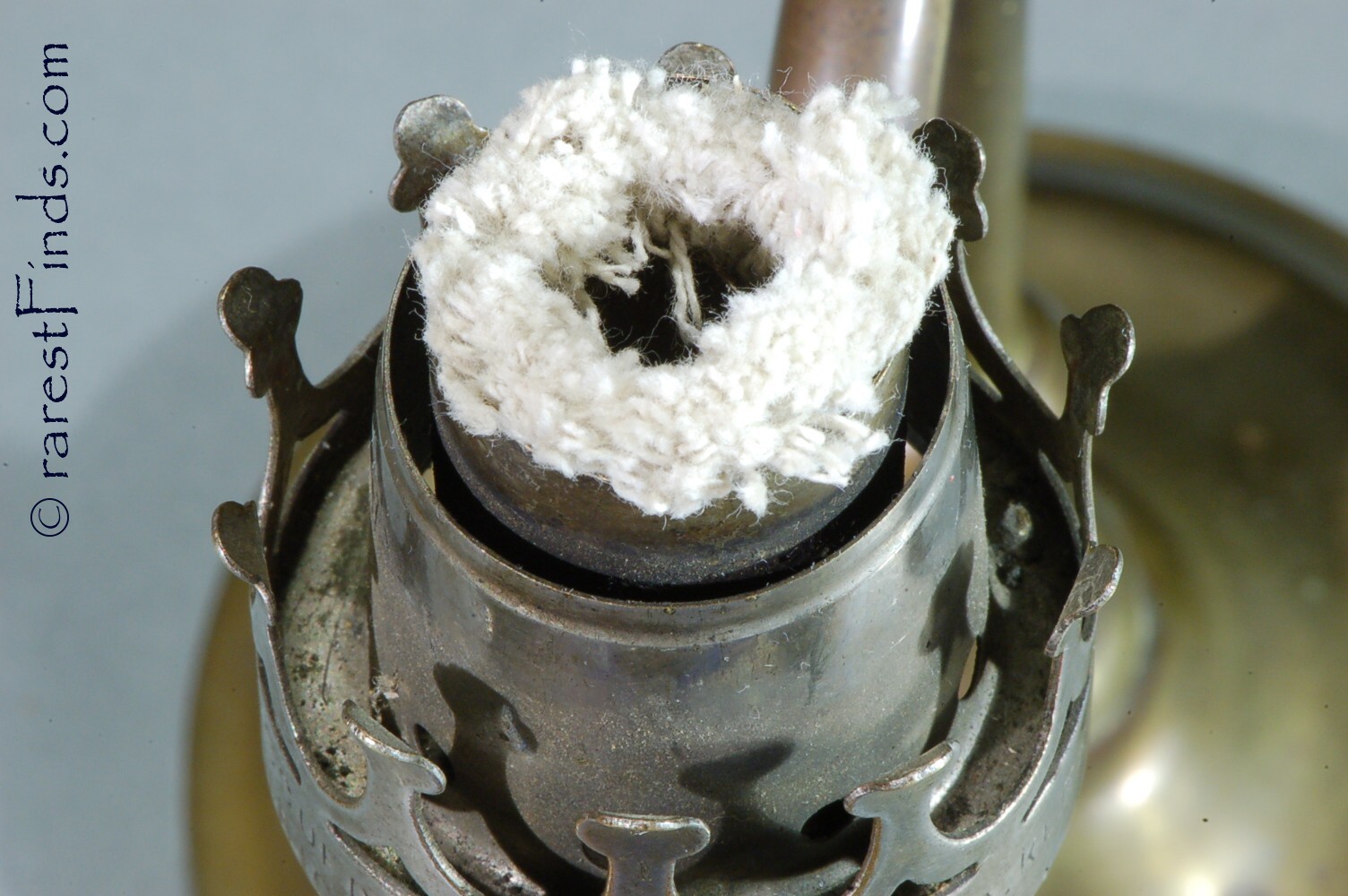
The lamp's superior performance was due to its scientifically constructed burner, which optimized airflow for more complete combustion. Unlike traditional flat wicks, the Argand lamp or burner used a cylindrical, or tubular hollow wick held between two concentric metal tubes, see picture 14.
This design allowed air to flow both around the outside of the flame and through the center of the wick, providing a "double air supply" that fed more oxygen to the flame.
A tall, narrow glass chimney was placed over the burner to increase the upward draft and steady the flame, resulting in a cleaner, smokeless light.
Because of its complexity and the high cost of manufacturing, the lamp with Argand burner was initially a luxury item for the wealthy. Famous Adopters were Thomas Jefferson who described the light as equal to "six or eight candles" and ordering several for Monticello.
Tobold's laryngoscope, for good reasons, used a student lamp with an Argand burner.
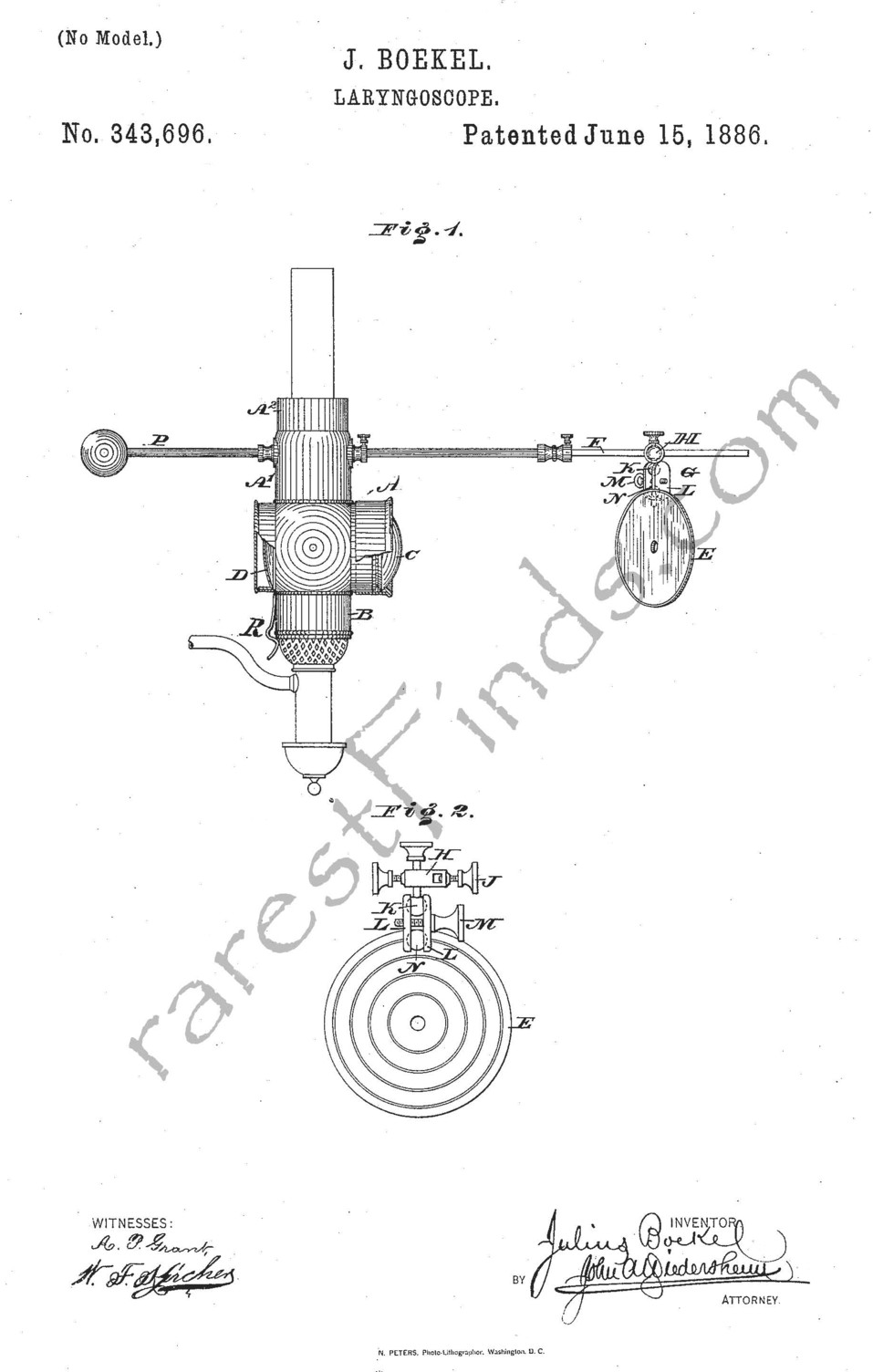
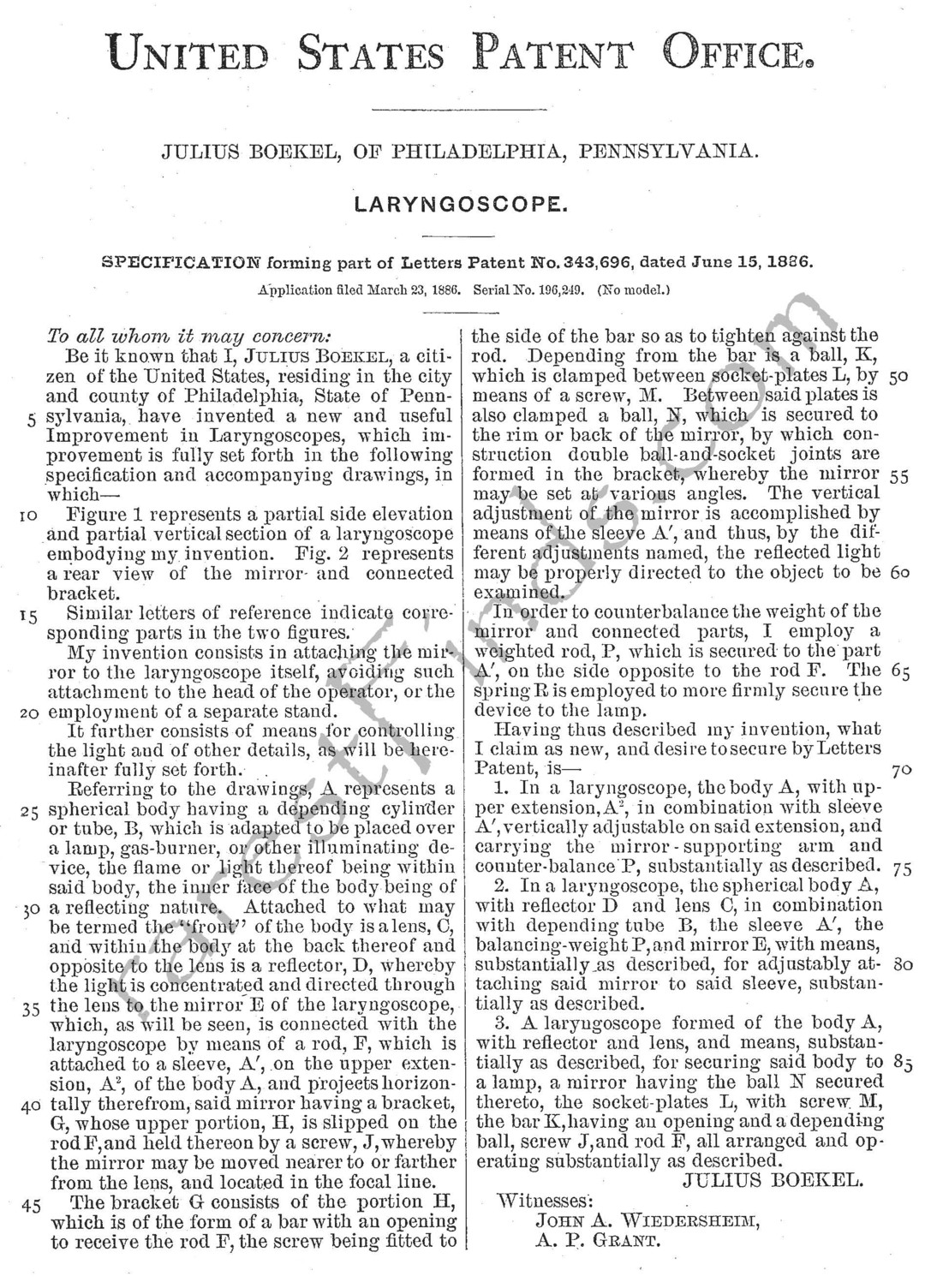
Tobold failed to patent his laryngoscope in the United States and Boekel took advantage of this fact.
Julius Boekel of Philadelphia, Pennsylvania, was granted a patent for a Laryngoscope on June 15, 1886.
Boekel's laryngoscope had additional features to Tobold's invention. Boekel's optical condenser only used a single lens to focus the light. Additionally, he equipped his laryngoscope with a reflector to reflect the light emitted backwards to the front where it was needed. An additional improvement was the suspension of the mirror with the small hole at the end of the arm by a ball clamped between two plates. This allowed the mirror with the small hole to be adjusted vertical and horizontal; Tobold's mirror with the small hole could only be adjusted horizontally.
Tobold's optical three lens condenser was overkill. While simple condensers may use only one or two lenses, a three-lens configuration typically provides a higher numerical aperture (NA) and better control over optical aberrations, features needed in cameras and other critical applications but not needed for simply condensing light in a laryngoscope. Boekel realized this fact and used only one lens, hence using a condenser with less loss of light.
Boekel's laryngoscope was clearly superior but was too late to be a success. In 1882, four years before Boekel received his patent, Edison opened his first power plant in New York City which was a DC (Direct Current) power plant. Outside major cities electric power was only available by running an Edison DC power generator which was expensive. These Edison generators which were available in 10 sizes, were powered by gasoline engines or water wheels. The smallest generator could power 25 light bulbs, the largest generator 500 light bulbs. It was Tesla and the Westinghouse Electric Co., which eventually brought power to American homes with Tesla's AC (Alternating Current) system.
Literature:
(Click on any title to see the online version of the book or publication if there is one.)
[1]
LEHRBUCH DER LARYNGOSKOPIE UND DES LOCAL-THERAPEUTISCHEN VERFAHRENS BEI KEHLKOPFKRANKHEITEN, Dr. Adolph Tobold, BERLIN (1863), VERLAG VON AUGUST HIRSCHWALD.
[2]
Die chronischen KEHLKOPFS-KRANKHEITEN mit specieller Ruecksicht auf laryngoskopische Diagnostik und locale Therapie. Von Dr. ALBRECHT TOBOLD, Sanitaetsrath und Docent an der Berliner Universitaet.
[3]
CHRONIC DISEASES OF THE LARYNX, WITH SPECIAL REFERENCE TO LARYNGOSCOPIC DIAGNOSIS AND LOCAL THERAPEUTICS, BY ADELBERT TOBOLD,LECTURER IN THE UNIVERSITY OF BERLIN, TRANSLATED FROM THE GERMAN AND EDITED BY GEORGE M. BEARD, A. M., M.D., LECTURER ON NERVOUS DISEASES IN THE UNIVERSITY OF NEW YORK (1868), W. M. Wood & Co., 61 Walker Street, New York, Robert Hardwicke, London.
Inventory Number 09366;
Sold!
Prices realized in the past:
- On May 12th, 2002, one of the 1869 models sold at Flints auctions Ltd., Thatcham, RG19 4EP, United Kingdom, lot 53, for £1,000.00. click here to read about it!